
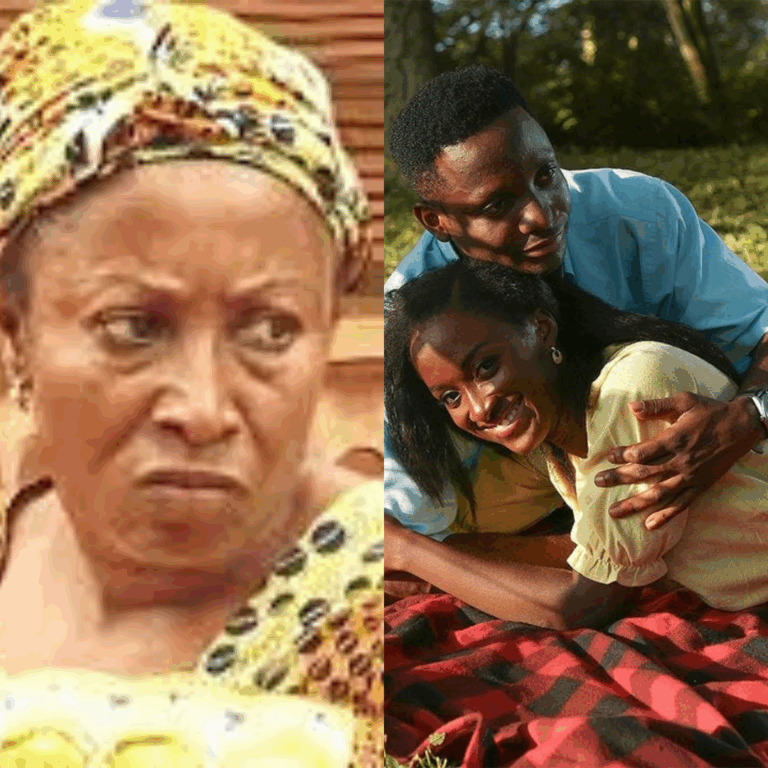

If you grew up watching early 2000s Nollywood, chances are you’ve winced your way through scenes of dramatic fainting, mysterious “soundtrack voiceovers,” and plot twists that made absolutely no sense. Whether it was someone turning into a yam, a ghost appearing through a PowerPoint-style transition, or a scene where someone shouts “Nooooooo!” for a full 20 seconds, the old Nollywood had its memorable moments — but not always for the right reasons.

Truth be told, it was cringe. The acting was overly theatrical, the sound design was rough, and the camera work often looked like it was done on someone’s uncle’s wedding camcorder. But we watched it anyway. Because at the time, it was all we had. And for all its flaws, it still told stories that reflected our culture, fears, humor, and everyday struggles.
Fast forward to now, and Nollywood has taken a massive leap.
What we’re seeing today is a rebranding — a bold new wave of intentional filmmaking, driven by young creatives who understand both the culture and the craft. From cinematography to dialogue, wardrobe to sound design, today’s Nigerian films are finally beginning to match global standards — without losing their local identity.

Films like “The Black Book,” “Gangs of Lagos,” “Aníkúlápó,” “Ile Owo,” and “Breath of Life” are clear indicators of this shift. These aren’t just movies; they’re experiences. The visuals are crisp, the stories are layered, and the acting? Far from the shaky performances of the past, we now have actors who deliver with restraint, nuance, and real emotion.

Streaming platforms like Netflix, Prime Video, and Showmax have also played a big role. They’ve not only given Nigerian filmmakers a global stage but have also raised the bar for what audiences expect. It’s no longer enough to just have a star-studded cast. If the story doesn’t make sense, if the pacing is off, if the picture quality is poor — people will log off.
And Nollywood is rising to the challenge.

There’s also a wave of new-school directors and producers who are pushing boundaries. Names like Kayode Kasum, Editi Effiong, Jade Osiberu, Kenneth Gyang, Kemi Adetiba, and CJ Obasi are showing us that we don’t have to choose between cultural storytelling and cinematic excellence — we can have both.
What’s beautiful about this new era is that it doesn’t try to erase the past. Instead, it learns from it. The drama, the traditions, the myths — they’re still there, but now they’re being told with more skill and style. Nollywood is no longer just churning out movies to fill VCD shelves in Alaba. It’s creating content for the world to see, respect, and talk about.

Of course, the industry still has a long way to go. There are still some tired tropes, technical issues, and plots that leave viewers scratching their heads. But the progress is undeniable. Compared to the cringe-worthy titles we once consumed out of loyalty or boredom, Nollywood today is confident, creative, and competitive.
It’s not just evolving — it’s thriving.
So the next time someone says “It’s good… for a Nigerian movie,” you can confidently say: “No. It’s just good.”



0 Comments