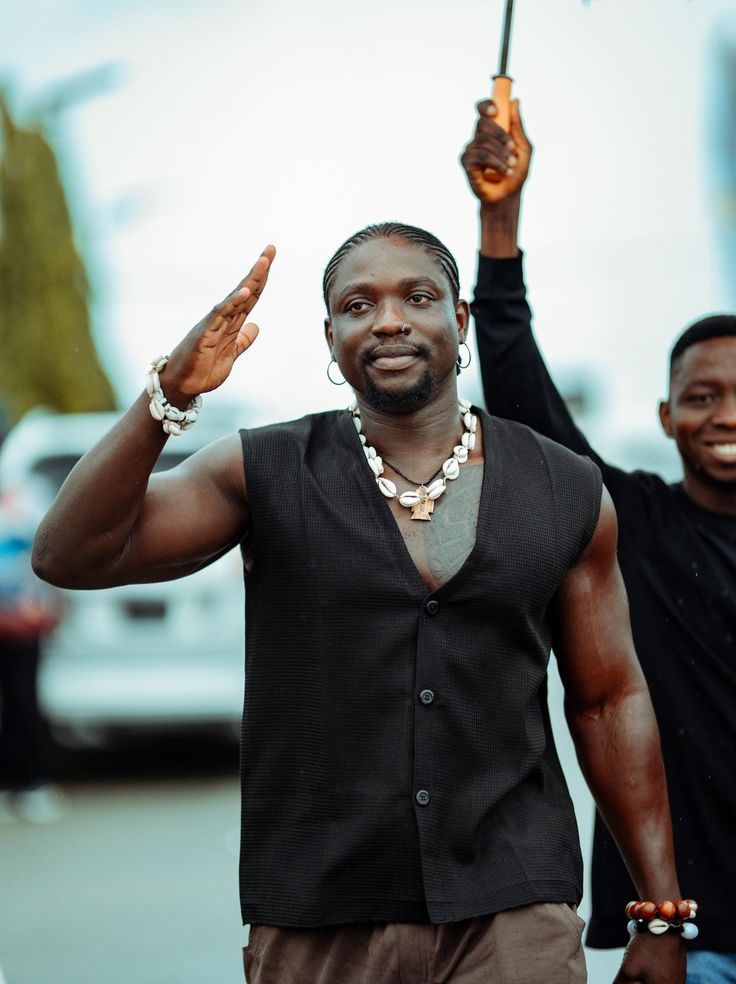

A few days ago, VeryDarkMan led a protest against insecurity in Nigeria.
As expected, opinions started flying everywhere. Some praised him. Some criticized him. Others questioned his methods. But beyond all the noise, one question kept ringing in my head:
When did influencers become the people we expect to speak for us?
No, seriously.
How did we get to a point where ordinary citizens are looking toward content creators and social media personalities to raise awareness about some of the country’s biggest problems?
Because if tell ourselves the truth, many of the celebrities and influencers with millions of followers aren’t exactly leading any protests. Most of them are reposting graphics, dropping emojis under trending topics, or simply moving on to the next dance challenge.
Yet somehow, when there is a conversation about insecurity, hardship, or governance, people start asking, “What has VeryDarkMan said?”
And honestly, that says a lot about where we are as a country.
The Influence We Keep Talking About
One thing Nigerians love debating about is that influencers don’t deserve the power they have.
Every few months, social media gathers to complain about influencers getting brand deals, influencing public opinion, or becoming household names.
But if look closely at it, influence is influence.
Whether it comes from politics, entertainment, religion, or social media, influence is simply the ability to get people to pay attention.
And that’s exactly what VeryDarkMan has.
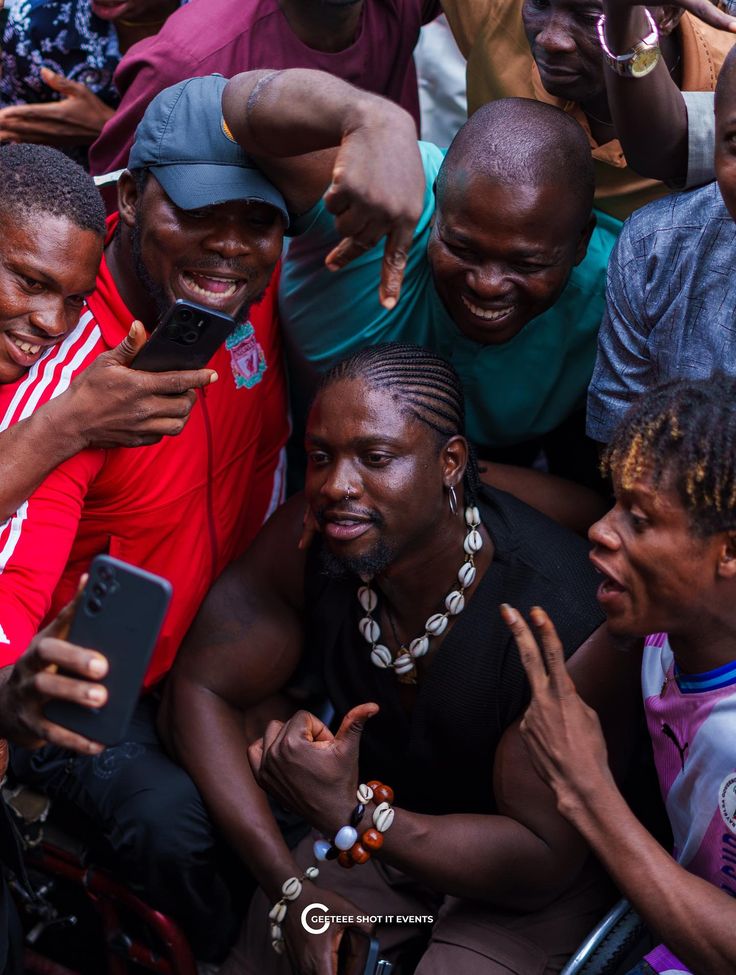
You may not agree with everything he says. You may not even like him. But when he speaks, people listen.
When he posts, people engage.
When he shows up somewhere, people gather.
That’s influence.
And in a country where many people feel unheard, that kind of influence naturally becomes powerful.
If He Wasn’t Well Known, Who Would Have Led It?
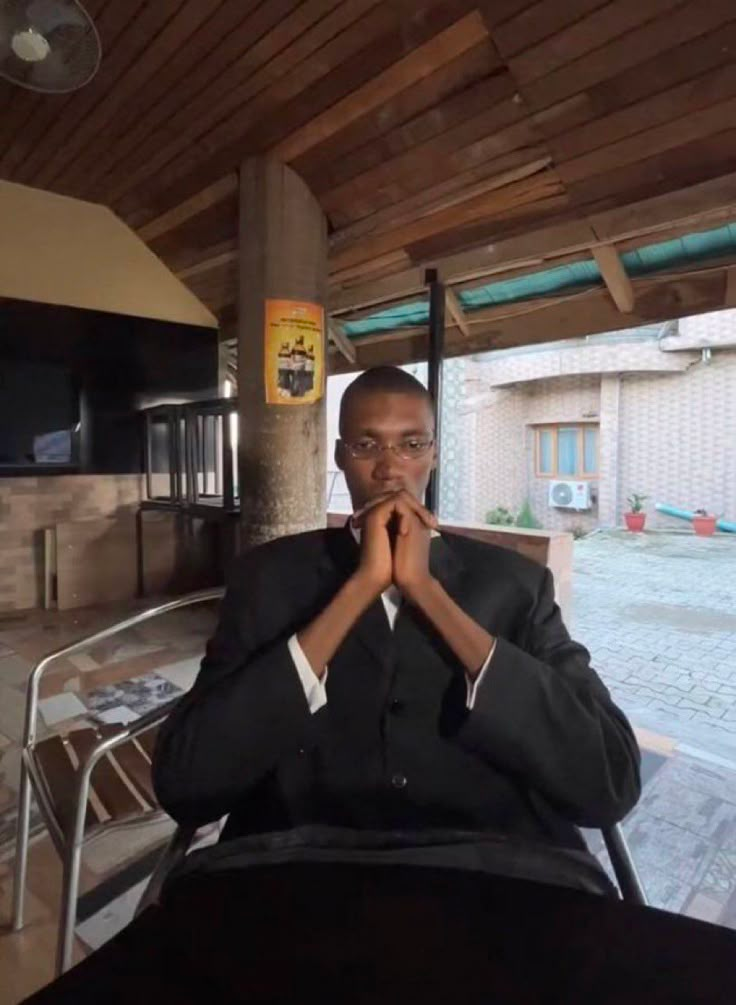
This is where the conversation gets uncomfortable.
Many people argue that influencers should stick to influencing products and leave societal issues alone.
Fair enough.
But if VeryDarkMan wasn’t popular, would the protest have gained the attention it did? Ehn?
Who exactly would have mobilized people?
The celebrities posting “sad” emojis from their air-conditioned apartments?
The public figures who only become vocal when their latest movie, album, or endorsement deal is about to drop?
The influencers who suddenly discover patriotism when Independence Day arrives?
Sometimes it feels like Nigerians are so desperate to be heard that anybody willing to carry the microphone automatically becomes the spokesperson.
And that’s not necessarily because they are the most qualified.
It’s because they are the most visible.
The Cost of Being Disconnected
One of the biggest problems in today’s Nigeria is that many people in positions of influence seem disconnected from everyday realities.
You hear some conversations online and begin to wonder whether certain people have stepped into a market recently.
Do they know how much food costs?
Do they know how much transportation costs?
Do they know what insecurity feels like when it affects your community directly?
Plantain that used to be affordable has become a luxury item in some places.
In fact, these days, if someone says they bought plantain for ₦1,000, you might need to verify whether it was actually plantain or an overgrown banana.
The joke is funny, but the reality isn’t.
Life has become increasingly difficult for many Nigerians, and people want voices that acknowledge that reality.
Not voices that speak from a distance.
Why People Are Turning to Influencers
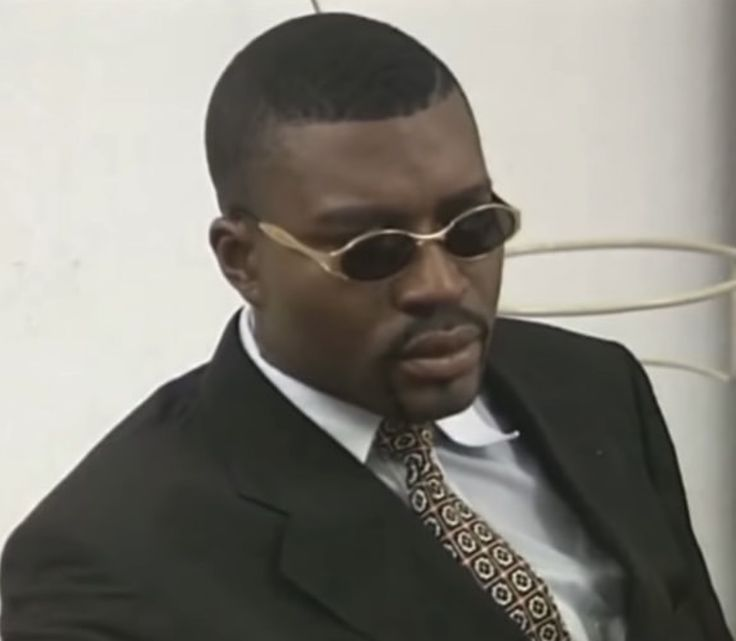
Perhaps the most interesting part of all this is that people don’t just follow influencers because they are entertaining.
They follow them because they feel accessible.
People feel they know them.
They see them every day.
They hear them talk.
They watch them react to current events in real time.
Over time, a strange thing happens.
The influencer starts feeling more relatable than the people who are actually supposed to represent public interests.
So when a crisis happens, people naturally expect that influencer to say something.
And if they don’t?
The comments start rolling in.
“Why are you silent?”
“Use your platform.”
“Speak up.”
That’s how influence evolves from entertainment into responsibility.
Maybe That’s the Real Story
This conversation is bigger than VeryDarkMan.
It’s about what happens when citizens become frustrated.
It’s about what happens when people feel like nobody is listening.
It’s about what happens when social media personalities become more trusted than institutions.
Whether you agree with him or not, one thing is clear: his ability to mobilize attention didn’t happen overnight.
People gave him that influence.
People continue to sustain that influence.
And perhaps that’s why so many Nigerians looked in his direction when insecurity became the conversation of the day.
Because in a country where many feel unheard, the person with the microphone often becomes the person expected to speak.
The scary part isn’t that influencers are speaking.
The scary part is that so many people feel nobody else is.
Read more interesting writeups here!


0 Comments