
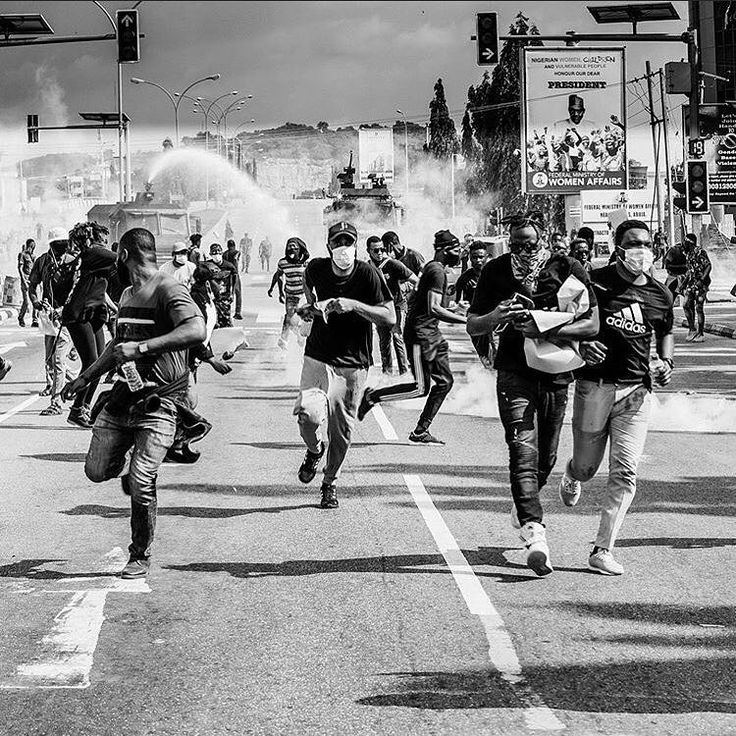
We will not forget the youths who came out in one accord to demand an end to police brutality. We will not forget the voices that refused to be silenced, the Nigerians who stood together despite their differences, and the courage it took to demand a country where simply being young would not make you a target.
On October 20, 2020, the Lekki Toll Gate in Lagos became the scene of a night that would remain etched in Nigeria’s history. Young Nigerians who had been peacefully protesting against police brutality were met with gunfire. Amnesty International documented the shooting of peaceful protesters by security forces and called for accountability. Six years later, the pain, questions and demands for justice remain part of the #EndSARS story.
But beyond the tragedy of that night, #EndSARS was also a reminder of what Nigerians could achieve when they chose to stand together. It was a movement fuelled by frustration, hope and the belief that things could be different.
As we remember that moment, there are three things we must never forget.
Tribalism Didn’t Stand a Chance
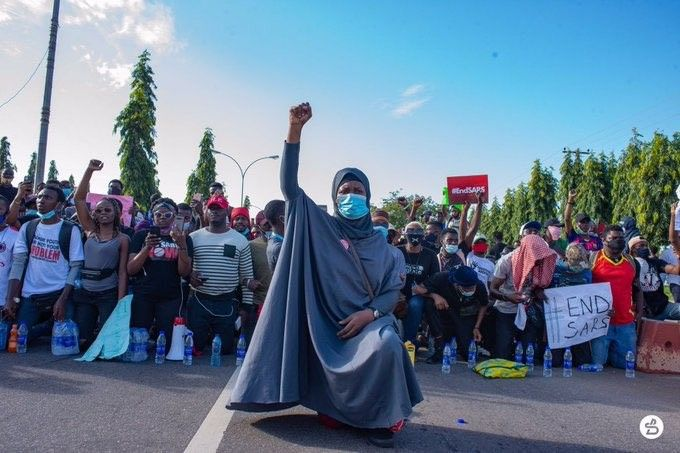
For a moment, it felt like tribalism had lost its grip on us.
Nigeria is a country where conversations about tribe, religion and ethnicity can quickly divide us. We have watched people defend their own, blame others and allow differences to overshadow the things we have in common.
But during #EndSARS, young Nigerians showed us another possibility.
People from different ethnic groups, religions and backgrounds stood together to demand the same thing: an end to police brutality. The conversation was no longer about whether you were Yoruba, Igbo, Hausa, Urhobo, Efik or from any other ethnic group. It was about whether you could live in your own country without being harassed, extorted or treated like a criminal because of your age, appearance or the phone you carried.
People donated food, water, medical supplies and money. Others volunteered their time, amplified information online and supported protesters in different ways. Across the country, people found common ground in a demand that cut across their differences.
For once, the identity that mattered most was that of being Nigerian and wanting better for Nigeria.
That unity was powerful because it challenged the idea that we could never look beyond our differences. It reminded us that our shared experiences can bring us together, even when the forces pulling us apart seem overwhelming.
Six years later, we must ask ourselves: what happened to that unity?
The same young people who stood together in 2020 still have to live with the consequences of the divisions that exist around them. The challenge is to remember that the problems affecting Nigerians do not always check our tribe before finding us.
At That Point, We Were Ready to Die
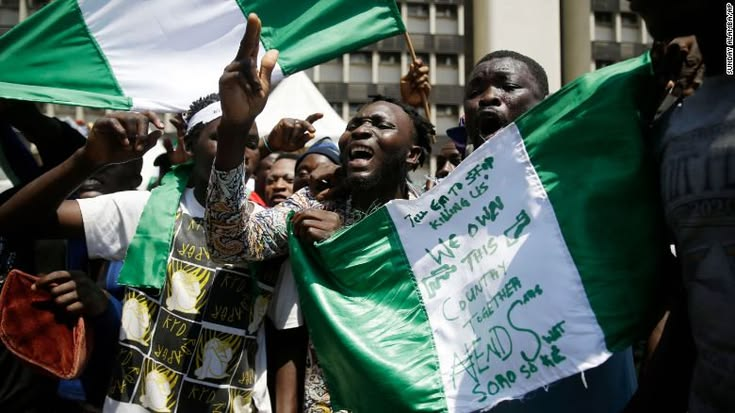
There was a level of desperation behind #EndSARS that is difficult to explain unless you understand what the movement represented to the young people who participated in it.
For years, Nigerians had shared stories of police harassment, extortion, unlawful arrests and abuse associated with SARS. The demand to end these abuses did not come out of nowhere. It grew from years of frustration and repeated calls for change.
By October 2020, many young people had reached a point where remaining silent felt unbearable.
They left their homes, gathered on the streets and demanded to be heard. Some spent days at protest grounds. Others used their phones to document events, organize support and make sure the movement could not easily be ignored.
And at the Lekki Toll Gate, young people continued to gather even as the situation became increasingly frightening.
When we say we were ready to die, it is not because death was what we wanted. It is because the fear of what might happen no longer seemed greater than the frustration of continuing to live with the problem.
Nobody should have to reach that point before their government takes their concerns seriously.
The events of October 20, 2020, made the cost of that desperation painfully clear.
Those who came out to protest were not asking for a perfect country overnight. They were asking to be treated with dignity. They wanted to feel safe around the very people entrusted with protecting them.
The tragedy is that people had to risk their lives to make such a basic demand.
We must remember the courage of those who came out, but we must also remember that courage should never have to mean preparing to die for the right to be heard.
Nigeria Has to Do Better
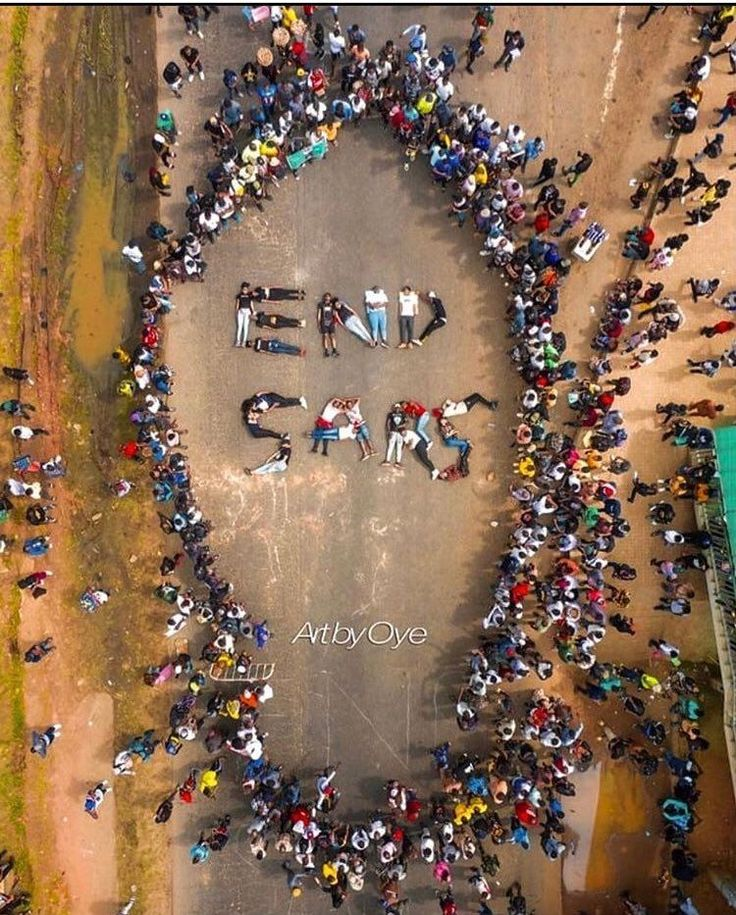
Six years later, remembering #EndSARS cannot end with reposting old photographs, sharing the hashtag or expressing sadness on October 20. Remembrance must also make us examine what has changed, what has not, and what still needs to be done.
The Special Anti-Robbery Squad was disbanded in October 2020, but disbanding a unit is not the same as resolving the problems that made people demand its end. Meaningful reform requires accountability, transparency, effective oversight and a police force that respects the rights of the people it serves.
In 2021, Amnesty International reported that no security personnel had been prosecuted for the killings and abuses it documented in connection with the protests, while concerns about police impunity persisted. That history makes accountability an essential part of any honest conversation about the movement’s legacy.
Nigeria has to do better because young people deserve to feel safe in their own country. They deserve to pursue opportunities without fearing that their appearance will make them suspicious. They deserve to protest peacefully without worrying that their voices could cost them their lives.
And the responsibility does not end with the government. We must also continue to challenge the culture that excuses abuse, dismisses the suffering of others or treats accountability as something that only matters when it affects us personally.
A country cannot build trust by asking its citizens to forget what happened. Trust must be earned through actions, credible investigations, meaningful consequences for wrongdoing and reforms that people can see and experience.
Six years later, the questions remain important. Are Nigerians safer? Are victims of police abuse getting justice? Can young people exercise their rights without fear? What practical steps are being taken to prevent a repeat of the events that shook the country in 2020?
These are not questions that should only matter on the anniversary of #EndSARS. They should matter every day.
We Have Not Forgotten
#EndSARS was more than a hashtag. It was a collective demand for dignity, justice and a better Nigeria.
We remember the young people who stood together. We remember those who were injured, those who lost their lives, their families and everyone whose life was changed by the events of October 2020.
We remember the unity that showed us what was possible when we looked beyond our differences. We remember the courage it took to speak up, even when the consequences were frightening.
Six years later, we owe those memories more than a moment of silence. We owe them the continued pursuit of justice, meaningful reform and a country where no young person has to risk their life simply to demand better.
We will not forget. And we must not stop asking Nigeria to do better.


0 Comments